
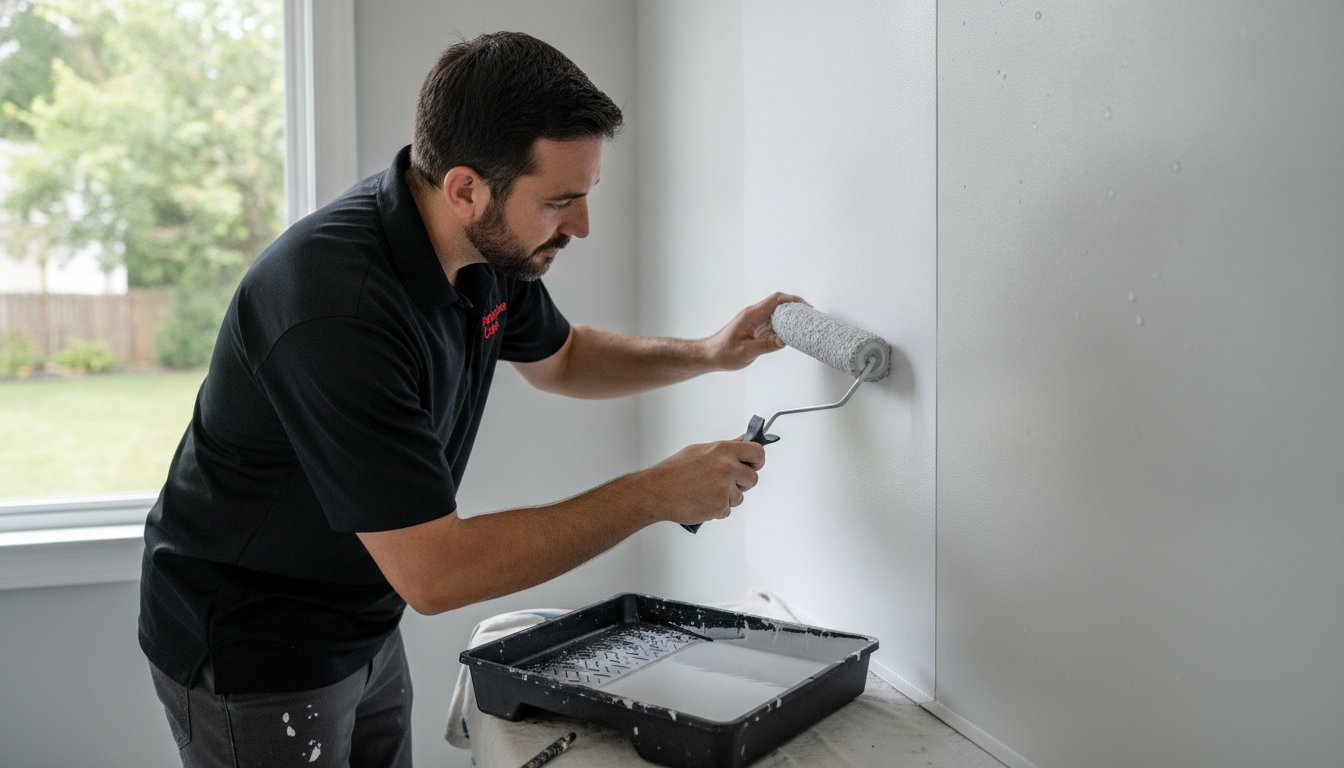
You step out of a relaxing shower only to notice those stubborn dark spots reappearing on your ceiling or the paint beginning to curl away from the wall like old parchment. For many New Jersey homeowners, the battle against humidity feels like a losing game, especially when the heavy summer air makes it nearly impossible for surfaces to stay dry. If you have tried scrubbing away mildew only for it to return weeks later, you know that standard wall finishes aren't built for the unique demands of a high-moisture environment. Achieving a lasting result requires more than just a fresh coat of color; it demands a specialized approach to bathroom painting with moisture resistant paint to stop the cycle of damage for good.
We understand how frustrating it is to invest in your home only to see the finish fail because of steam and poor ventilation. You deserve a space that stays clean and vibrant without the constant worry of mold or peeling. In this guide, you will discover how to protect your bathroom from humidity damage using professional moisture-resistant painting systems. We will cover the essential preparation steps, the specific paint formulas that actually work in our local climate, and the technical secrets to a durable, beautiful finish that lasts for years.
Key Takeaways
- Discover how specialized antimicrobial coatings create a tighter molecular seal to repel water vapor and stop mold growth.
- Learn how to select the ideal sheen for bathroom painting with moisture resistant paint, including modern matte options that don't compromise on durability.
- Master the professional preparation steps that remove soap scum and failing layers to ensure your new finish never curls or peels.
- Identify why ceilings and trim require unique protection strategies to withstand rising steam and condensation in high-humidity environments.
- Understand how local expertise in timing and environmental control helps your project succeed despite New Jersey's challenging weather patterns.
What is Moisture-Resistant Paint and Why Does Your NJ Bathroom Need It?
Moisture-resistant paint is more than just a marketing label. It's a technically advanced coating engineered with a tighter molecular structure that acts as a shield against water vapor. Unlike standard wall finishes, these formulas contain specialized antimicrobial agents designed to stop mold and mildew before they take root. When you invest in bathroom painting with moisture resistant paint, you aren't just changing the color of the room; you're installing a protective barrier against the inevitable steam of daily life.
New Jersey homeowners face a unique challenge. In Hudson and Union counties, the high humidity of our coastal climate means bathrooms rarely have a chance to dry out completely. This is especially true in older homes where ventilation might not meet modern standards. To protect these spaces, we look toward the science of waterproofing to ensure every layer of the painting system repels liquid. Standard interior paints are often too porous, allowing steam to seep through the finish. Once that moisture reaches the drywall, the bond breaks, causing the paint to curl, bubble, and eventually peel away in large sheets.
Mildewcides play a critical role in this process. These active chemical additives are mixed into the paint to inhibit fungal growth on the surface. In the damp, warm environment of a bathroom, these agents provide a secondary line of defense that keeps your walls looking clean and vibrant for years.
Standard Paint vs. Bathroom-Specific Formulas
The main difference between these two products lies in porosity. Standard paints have microscopic openings that allow vapor to pass through easily. Bathroom-specific formulas create a much harder, smoother surface that resists steam penetration. These coatings also feature active antimicrobial properties to stop mold at the source. Because these paints are designed for high-moisture areas, they offer superior durability. You can scrub away soap scum or water marks without worrying about wearing down the finish or ruining the aesthetic.
Signs Your Current Bathroom Paint is Failing
Recognizing the early stages of failure can save you from more extensive drywall repairs or wallpaper removal later. Look for these specific red flags in your space:
- Bubbling or Alligatoring: Paint that looks like it is lifting or cracking near the shower stall or vanity.
- Persistent Mildew: Small black or brown spots that reappear shortly after cleaning with household bleach.
- Chalky Residue: A white, powdery substance on the walls after a hot shower, which indicates the paint binder is breaking down.
If you notice these signs, the existing finish is no longer protecting your substrate. It's time to transition to a professional moisture-resistant system.
Choosing the Right Paint Finish for High-Moisture Areas
Selecting the right finish is a balancing act between aesthetic preference and technical necessity. Traditionally, homeowners were forced to use high-gloss finishes to achieve any level of water protection. These shiny surfaces are excellent at shedding water, but they also act like a spotlight on every minor dent or patch in your drywall. Modern moisture-resistant paint formulations have changed this dynamic entirely. You can now achieve a sophisticated, low-luster look without sacrificing the integrity of the coating.
When executing bathroom painting with moisture resistant paint, you must also consider how color interacts with steam. Dark, moody blues or deep charcoal grays are popular in NJ design right now, but they require premium binders to prevent surfactant leaching. This occurs when moisture pulls specific ingredients to the surface, leaving unsightly waxy streaks. Choosing a high-quality product ensures your chosen shade remains uniform even after the steamiest shower. If you need help matching a finish to your existing decor, our experts at Hudson Line Painters are ready to help you navigate these technical choices.
Compatibility is another factor that many homeowners overlook. If your current walls have a glossy oil-based paint, a new water-based moisture-resistant topcoat won't bond properly without a transition primer. We always test the existing surface to ensure the new system integrates perfectly with the substrate. This meticulous approach prevents the "peeling orange peel" effect that happens when layers of paint fail to fuse.
Satin vs. Semi-Gloss: The Great Debate
The choice of sheen usually comes down to the specific layout and ventilation of your bathroom. We generally categorize the options based on their performance in damp environments:
- Satin: This is the gold standard for modern bathroom renovations. It offers a soft glow that hides substrate imperfections while providing enough protection for most guest baths.
- Semi-Gloss: This remains the traditional powerhouse for master suites or bathrooms without exhaust fans. The higher resin content creates a slicker surface that allows water to bead and roll off.
- High-Gloss: While rarely used on walls today, it remains a fantastic choice for window sills and baseboards where water often pools.
The Importance of Premium Paint Quality
Standard contractor-grade paint is designed for speed and cost, not for the high-humidity environment of a New Jersey home. These cheaper options lack the high-solids content necessary to build a durable film. Premium paints use better resins to create a waterproof barrier. By choosing a high-end product, you're investing in a finish with superior adhesion and a higher concentration of mildewcides. This ensures the paint bonds deeply to the surface and resists the structural breakdown caused by constant temperature fluctuations.
The Professional Prep Process: Ensuring a Lasting Bond
A premium finish is only as reliable as the surface beneath it. In a high-humidity environment, skipping a single preparation step guarantees that even the most expensive bathroom painting with moisture resistant paint will eventually fail. We treat preparation as a multi-stage engineering process rather than a quick chore. This discipline ensures that the new coating fuses permanently with the wall, creating the durable barrier your home requires.
Our systematic approach begins with deep cleaning. We use specialized solutions to strip away soap scum, body oils, and hairspray residue that common household cleaners often miss. These contaminants act as a bond-breaker if left on the wall. Once the surface is chemically clean, we move to mechanical preparation. We scrape and sand every inch of failing paint back to a sound substrate. Any lingering flakes will compromise the integrity of the new system. After the surface is stable, we perform necessary drywall and plaster repair to eliminate cracks or dents. Finally, we apply a high-quality moisture-blocking primer. This isn't a standard primer; it's a dedicated sealer that prevents previous stains from bleeding through and provides the "teeth" needed for the topcoat to grab hold.
Dealing with Mold and Mildew Correctly
Painting over mold is a recipe for disaster. If you don't eradicate the spores, they will simply consume the new paint from the inside out. We follow the EPA guide on mold and moisture to ensure the environment is safe and the fungus is truly dead. There's a significant difference between cleaning a surface stain and killing deep-seated spores. Our team uses professional-grade antimicrobials and wears proper respiratory protection to handle these contaminants safely in the confined spaces of a bathroom. Only when the substrate is verified clean do we proceed with the moisture-resistant system.
Substrate Repair for NJ's Older Homes
New Jersey's architectural history presents specific challenges, particularly in the historic brownstones of Hudson County. These homes often feature original plaster walls that react differently to moisture than modern drywall. Cracked plaster requires meticulous patching with setting compounds that won't shrink or pull away. In newer renovations, we often find water-damaged greenboard near tubs that needs complete replacement before any bathroom painting with moisture resistant paint can begin. Achieving a perfectly smooth surface is vital. High-sheen moisture-resistant finishes are unforgiving; they will highlight every lump or poor patch if the substrate isn't sanded to a furniture-grade finish. We take the time to ensure the foundation is flawless before the first drop of color is applied.

Beyond the Walls: Ceilings, Trim, and Ventilation
While walls occupy the most visual space, the ceiling is often where the first signs of failure appear. Rising steam collects at the highest point of the room, creating a constant state of condensation that can quickly overwhelm standard finishes. A truly successful renovation treats every surface as part of a unified defense system. This is why bathroom painting with moisture resistant paint must extend to the trim, baseboards, and especially the ceiling. By addressing these often-overlooked areas, you prevent moisture from finding a weak point in your bathroom's protective envelope.
Trim and baseboards face their own set of challenges. These wood elements are frequently exposed to floor-level moisture from splashed tub water and the harsh chemicals found in floor cleaners. We protect these surfaces by using high-performance enamels that create a non-porous, "hard" shell. In wet areas like window sills or door frames, we pay extra attention to the seal between the wood and the wall. If you are ready to upgrade your home's defenses, the team at Hudson Line Painters can design a comprehensive coating system for every surface in your bathroom.
Even the most advanced chemical formulas require environmental support to succeed. In New Jersey, the administrative code (N.J.A.C. 5:10-16.3) mandates that bathrooms must be mechanically vented by a system capable of exhausting at least 50 cubic feet of air per minute (CFM). Proper airflow is essential during the curing process. If the air remains stagnant, the paint film stays soft for too long, allowing water to penetrate the fresh coating. Ensuring your ventilation meets these standards is just as important as the paint itself.
Specialized Ceiling Paints
Ceilings require a specific balance of sheen and protection. While many homeowners prefer a flat finish to hide substrate imperfections, a flat sheen is naturally more porous. We often recommend a specialized "ceiling satin" that provides a low-glare look while offering the high concentration of mildewcides necessary for the wettest part of the room. Our professionals take meticulous care when painting around recessed lighting and exhaust fans, ensuring these fixtures are properly sealed to prevent vapor from escaping into the attic or joist spaces.
Maximizing Ventilation Efficiency
You can verify your fan's performance with a simple "tissue paper test." If the fan cannot hold a single square of toilet paper against the grille, it isn't moving enough air to protect your paint. We recommend following the "20-minute rule," which involves running the exhaust fan for at least twenty minutes after every shower. This practice removes the lingering humidity that causes the "standing water" effect, where beads of moisture sit on the wall and slowly degrade the paint's resin bond.
Why Hire Hudson Line Painters for Your Bathroom Project?
Choosing a contractor for your home is a decision based on trust and technical capability. When you partner with us for bathroom painting with moisture resistant paint, you are hiring a team that understands the specific environmental demands of New Jersey. We don't just apply a coat of color; we engineer a multi-layered defense system tailored to your home's unique architecture. Our deep roots in Bergen, Union, and Hudson counties give us a distinct advantage in timing projects for optimal drying, ensuring that the local humidity doesn't compromise the curing process of your new finish.
We provide a comprehensive experience that eliminates the need for multiple contractors. Whether your project requires meticulous wallpaper removal or significant substrate repair, our craftsmen handle every stage with professional discipline. This end-to-end approach ensures that the high-performance moisture-resistant system is applied to a perfectly stable surface. By investing in our professional home painting services, you prevent the costly rework and frustration that often follow DIY attempts or cut-rate contractor work.
Site etiquette is a core virtue of our brand. We treat your home with the same respect we would our own, employing rigorous protection measures for your fixtures, tile, and flooring. Our goal is to leave your bathroom in pristine condition, with the only evidence of our presence being a beautiful, durable finish that stands up to years of daily use.
Our Meticulous Process for NJ Homeowners
Our operational discipline begins the moment we step through your door. We prioritize detailed site preparation and dust containment to keep the rest of your home clean and safe. To protect your family's indoor air quality, we utilize premium, low-VOC moisture-resistant formulas that deliver industrial-strength protection without the harsh chemical odors. Every project concludes with a final inspection where we verify that every corner, seam, and edge is perfectly sealed against vapor penetration.
Transform Your Bathroom Today
A professional repaint is a smart financial choice. When you contrast the cost of a high-end moisture-resistant painting system against the massive expense of a full bathroom gut-renovation, the value is clear. We can revitalize your space, stop mold growth, and improve your home's aesthetic in a fraction of the time a major renovation would require. Our reputation for reliability and technical precision has made us a trusted neighbor in communities across Northern and Central New Jersey. Don't let humidity damage your home's value any longer. Get a free estimate from Hudson Line Painters today!
Protect Your Home with a Professional Finish
A beautiful bathroom should be a source of relaxation, not a recurring maintenance headache. By choosing high-performance antimicrobial coatings and following a disciplined preparation process, you can finally end the cycle of peeling paint and mold growth. We've explored how the right sheen and robust ventilation work together to create a durable barrier against New Jersey’s relentless humidity. Investing in bathroom painting with moisture resistant paint is a proactive step that adds long-term value and peace of mind to your home.
Since 2018, our team of fully insured and locally operated NJ craftsmen has served homeowners across Hudson, Union, and Bergen Counties. We are specialists in drywall repair and moisture-resistant systems, ensuring that every project is built on a sound foundation. You don't have to settle for failing finishes or temporary fixes. Schedule your professional bathroom painting consultation with Hudson Line Painters today. We look forward to providing the meticulous care and technical precision your space deserves for a result that lasts for years.
Frequently Asked Questions
Is there a special paint made specifically for bathrooms?
Yes, paint manufacturers formulate specialized coatings specifically for high-moisture environments. These products differ from standard interior paints because they contain a higher concentration of antimicrobial agents and feature a tighter molecular structure. This design creates a harder finish that repels water vapor and resists the growth of mold and mildew on the surface, providing a durable barrier that standard latex paints simply cannot match.
Can I use regular interior paint in my bathroom if I have a good fan?
No, we don't recommend using standard interior paint in bathrooms even if your ventilation system meets the New Jersey 50 CFM requirement. Regular latex paint is too porous and allows steam to penetrate the surface easily. Over time, this moisture breaks the bond with the drywall, leading to the bubbling and peeling we often see in local homes. Moisture-resistant formulas provide a necessary secondary line of defense.
How long should I wait to shower after painting my bathroom?
You should wait at least 24 to 48 hours before using the shower after a fresh paint application. While the paint may feel dry to the touch within a few hours, it takes much longer to reach its full chemical cure. Exposing the surface to high humidity too early can cause surfactant leaching, which results in permanent streaks or a tacky finish that never fully hardens and remains vulnerable to damage.
What is the best paint finish for a bathroom with no window?
A semi-gloss finish is traditionally the best choice for bathrooms without windows because it provides the highest level of water shedding. If you prefer a more contemporary look, premium satin formulas are now highly effective. These modern finishes offer a sophisticated appearance while maintaining the durability needed to withstand the constant humidity typical of bathrooms lacking natural ventilation and the drying benefits of exterior airflow.
How do I stop my bathroom ceiling paint from peeling?
Stopping ceiling peel requires a combination of thorough preparation and bathroom painting with moisture resistant paint. You must scrape away all failing layers, sand the surface to a sound substrate, and apply a dedicated moisture-blocking primer. Ensuring your exhaust fan runs for at least 20 minutes after every shower is also vital to prevent rising steam from sitting on the ceiling and weakening the paint's resin bond.
Do I need a special primer for moisture-resistant paint?
Yes, using a high-quality moisture-blocking primer is a critical step for ensuring long-term adhesion in damp environments. Standard primers are often water-soluble and can fail when exposed to constant steam. A specialized sealer creates a non-porous foundation that prevents previous stains from bleeding through and provides the necessary surface profile for the moisture-resistant topcoat to fuse permanently with the substrate without the risk of delamination.
Will moisture-resistant paint kill existing mold on my walls?
No, moisture-resistant paint is designed to inhibit new growth, but it will not kill existing mold spores already present on the wall. If you paint over active mold, it will continue to grow beneath the surface and eventually burst through the new finish. You must professionally clean and treat the area with antimicrobial solutions before beginning your bathroom painting with moisture resistant paint to ensure a safe and lasting result.
How often should a bathroom be repainted to maintain protection?
Most bathrooms should be repainted every 3 to 5 years to maintain optimal moisture protection for your home. Even premium coatings eventually face wear from frequent scrubbing and extreme temperature fluctuations. In high-traffic family bathrooms or spaces with poor ventilation, you might notice the finish beginning to dull or lose its water-beading properties sooner. Periodic repainting ensures the antimicrobial barrier remains active and the substrate stays protected.


