
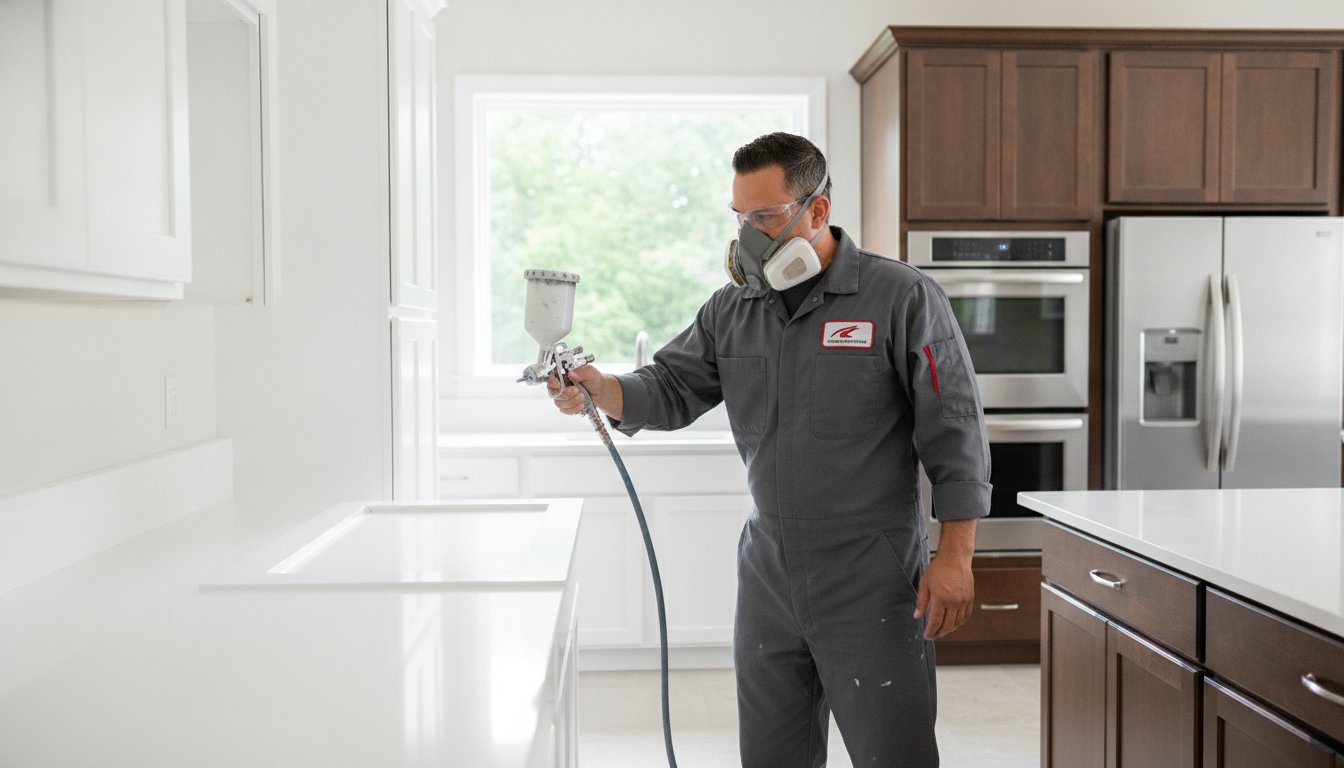
What if you could achieve a high-end kitchen remodel for nearly 70% less than the cost of a full cabinet replacement? Many New Jersey homeowners want that crisp, timeless look of white cabinetry but feel stuck between wildly different quotes and the fear of a finish that peels or yellows within months. It's frustrating to face the prospect of a dismantled kitchen for weeks on end while trying to make sense of conflicting contractor advice. Understanding the cost to paint kitchen cabinets white in NJ is the first step toward a successful renovation that adds genuine value to your property without the stress of a major construction zone.
We agree that your home deserves a meticulous, factory-smooth finish that stands up to the rigors of daily life. This 2026 pricing guide provides a transparent breakdown of local market rates, material quality, and the technical standards required for a durable result. You'll learn exactly how labor and preparation impact your total investment and how to identify a quote that guarantees long-term performance. We will also explore the timeline for professional refinishing so you can plan your kitchen transformation with total confidence and minimal downtime.
Key Takeaways
- Learn how local labor rates and the total number of cabinet openings dictate the cost to paint kitchen cabinets white in NJ.
- Discover why professional HVLP spraying is the superior method for achieving a durable, factory-smooth finish without visible brush marks.
- Identify the specific non-ambering coatings and UV-resistant topcoats required to keep your white cabinets from yellowing or peeling over time.
- Understand the critical role of surface preparation, including degreasing and mechanical sanding, in ensuring your new finish adheres properly.
- Gain a checklist of technical questions to ask contractors to help you distinguish cabinetry specialists from general house painters.
The True Cost to Paint Kitchen Cabinets White in NJ (2026 Edition)
New Jersey isn't like the rest of the country. Our local market operates on a different scale of labor costs and material standards. When you research the cost to paint kitchen cabinets white in NJ, you'll quickly notice that national calculators often fail to account for the unique economic pressures of the Tri-State area. Labor in our region accounts for 70% to 80% of your total investment. This is because a professional finish requires significant manual hours for cleaning, mechanical sanding, and precise masking. In 2026, market trends show that New Jersey homeowners should expect local rates to sit significantly higher than national averages due to the specialized nature of the work and higher overhead for local craftsmen.
We define an average NJ kitchen as having 20 to 30 openings. An opening refers to a single cabinet door or a drawer front. Counting openings is the most accurate way to estimate a project because it reflects the actual surface area and hardware that requires handling. A basic "refresh" might involve simple cleaning and a single topcoat, but this rarely provides the longevity homeowners expect. We focus on factory-grade refinishing. This process involves bonding primers and high-performance enamels that create a hard, durable shell. While the initial investment for factory-grade work is higher than a quick brush-and-roll job, it prevents the costly need for touch-ups or a full redo just two years later.
Why White is the Most Requested (and Technical) Color
White remains the gold standard for NJ kitchens because it maximizes natural light and increases resale value. However, it's the most technical color to apply. Achieving 100% opacity over dark cherry or oak requires a deep understanding of understanding cabinet construction and wood tannins. White coatings require more coats and specialized stain-blocking primers to prevent "bleed-through" from the original wood. Without these professional-grade barriers, the natural oils in the wood can turn a beautiful white finish into a blotchy yellow within months.
NJ Market Factors: From Hudson to Bergen County
Local demand in North Jersey, particularly in Bergen and Hudson counties, keeps professional schedules tight. NJ environmental regulations also play a major role in your quote. Our state has strict standards for low-VOC (Volatile Organic Compound) coatings. These high-performance, eco-friendly paints are more expensive than traditional oils but offer superior durability without the lingering chemical odors. Furthermore, site setup in densely populated NJ neighborhoods requires meticulous containment to protect your home's air quality, which is a standard part of a high-end service package.
Breaking Down the Price: Factors That Influence Your Cabinet Painting Quote
Understanding your estimate starts with the specific math professionals use to calculate labor. We don't just look at the square footage of the room; we count every individual door and drawer front as a single "opening." This is the industry standard because each piece must be removed, cleaned, sanded, and sprayed on both sides. A kitchen with 30 openings takes exactly twice as much time as one with 15, regardless of the room's footprint. When calculating the cost to paint kitchen cabinets white in NJ, these openings are the primary driver of your final quote. Professionals also account for the time spent labeling and organizing hardware to ensure every hinge and screw returns to its exact original location.
The condition of your existing cabinetry plays a massive role in the final price. If your cabinets have years of grease buildup from heavy cooking or are already peeling from a previous DIY attempt, the labor hours required to restore the surface will increase. Different materials also require unique approaches. Solid wood is durable but may need grain filling, while MDF provides a perfectly smooth substrate for paint. Thermofoil presents a specific challenge; if the plastic coating is delaminating, it must be carefully heat-stripped before we can apply a bonding primer. Taking the time for vetting your painting contractor ensures you are working with a professional who understands these material nuances.
Labor vs. Materials: Where Your Money Goes
Determining the final cost to paint kitchen cabinets white in NJ involves more than just a gallon of paint. About 70% to 80% of a professional quote is dedicated to labor and preparation. The remaining budget covers high-performance, NJ-sourced materials like Benjamin Moore Advance or Scuff-X. These aren't standard wall paints; they're specialized architectural enamels designed for leveling and hardness. We also factor in "invisible" consumables. This includes miles of high-grade masking tape, rolls of protective film, and dozens of tack cloths used to remove every speck of dust before the final spray. If you're looking for a partner who prioritizes this level of technical detail, consider exploring our kitchen cabinet refinishing options to see how we manage these details.
The 'Hidden' Cost of Preparation
The most important work happens before the first drop of paint is ever applied. Industrial-strength degreasing is mandatory in NJ kitchens to remove cooking oils that prevent paint adhesion. If you have oak cabinets, we often recommend grain filling. This extra labor step fills the deep, porous valleys of the wood grain to create the smooth, factory-like appearance that homeowners crave. Finally, we implement strict dust containment. We use specialized sanding equipment with HEPA vacuums to protect your home's air quality, ensuring the rest of your living space remains pristine throughout the process.
Professional Spraying vs. Brush and Roll: Cost and Quality Comparison
Choosing the application method is the most critical decision affecting the final cost to paint kitchen cabinets white in NJ. While some contractors offer a lower price for brush and roll application, this method carries significant risks for white cabinetry. Brushes and rollers inevitably leave behind textures, lap marks, and stipple that catch the light, often making a professional project look like a DIY attempt. In contrast, High Volume Low Pressure (HVLP) spraying atomizes the paint into a fine mist. This creates a factory-smooth surface that's impossible to achieve by hand. While the average cost to paint kitchen cabinets nationally might suggest a lower entry point for hand-applied paint, the long-term durability of a sprayed finish is far superior.
Durability is where the two methods diverge most sharply. Spray-applied coatings are designed to lay flat and bond at a molecular level, creating a hard shell that resists chipping and oils. Hand-applied paint tends to be thicker in some areas and thinner in others, leading to premature wear around high-touch spots like handles and corners. The timeline also differs. A brush-and-roll project might keep your kitchen in a state of semi-use for a week, but the drying times between heavy coats are longer. Professional spraying is a more intensive but efficient process. Your kitchen remains "out of commission" for about 3 to 5 days for the on-site work, while the doors are treated separately in a controlled environment.
The Spraying Process: Why It Costs More (and is Worth It)
The higher cost of spraying reflects the meticulous preparation required. We spend the first two days of a project masking your floors, counters, and appliances with surgical precision to ensure zero overspray. Most of the magic happens off-site. We transport your cabinet doors and drawer fronts to a controlled shop environment where they're cleaned, primed, and sprayed horizontally. This eliminates dust contamination and allows the paint to level perfectly. This process delivers the "factory look" that NJ buyers expect in high-end real estate markets like Montclair or Princeton, directly impacting your home's resale value.
Refinishing vs. Total Replacement ROI
In 2026, a mid-range kitchen cabinet replacement in New Jersey can easily cost between $25,000 and $45,000. Choosing to refinish your existing high-quality frames instead saves you roughly 60% to 80% compared to a total remodel. It's a smart financial move that provides an immediate aesthetic upgrade without the months of construction dust and plumbing delays. For a deeper look at how this process works from start to finish, see our cabinet refinishing guide. Refinishing allows you to allocate those savings toward other upgrades, like new quartz countertops or high-end appliances, while still achieving a brand-new kitchen feel.

The 'White Cabinet' Challenge: Preventing Yellowing and Peeling
White is the most unforgiving color in the world of cabinetry. While it offers a timeless aesthetic, it presents unique technical hurdles that can quickly inflate the long-term cost to paint kitchen cabinets white in NJ if the wrong materials are chosen. Traditional oil-based paints are a "no-go" for white projects because they contain resins that naturally amber or yellow as they age. This chemical reaction is accelerated in kitchens with limited natural light, turning a crisp white finish into a dingy cream within just a few years. To maintain a pure, bright look, we rely on UV-resistant topcoats that act as a shield against both sunlight and the internal chemical breakdown of the coating itself.
Tannin bleed is another critical challenge, especially in older New Jersey homes featuring solid cherry or oak cabinets. These wood species contain natural oils called tannins that "weep" through standard water-based primers, resulting in unsightly brown or orange spots on your new white surface. Cheap, hardware-store primers lack the high-solids content necessary to seal these oils permanently. Our process involves a multi-stage bonding and sealing phase that creates a molecular barrier between the wood and the paint. High-quality waterborne alkyd resins are the standard for 2026 NJ cabinet projects because they utilize oxygen-crosslinking technology to provide the rock-hard durability of traditional oil-based enamels without the associated yellowing or high VOC emissions.
Selecting the Right Shade of White for NJ Light
The "perfect white" doesn't exist in a vacuum; it depends entirely on the seasonal light hitting your NJ kitchen. In North Jersey, where many homes face north or east, a cool white like Chantilly Lace can sometimes feel clinical or blue during the winter months. Conversely, Simply White offers a subtle warmth that balances the grey light of a Jersey January. We help you navigate these nuances to ensure your kitchen feels inviting year-round. For more advice on coordinating your space, choosing the right paint colors is a vital part of our consultation process.
Durability Testing: How to Clean White Cabinets
A white finish is only as good as its "scrubbability." Because white shows every fingerprint and sauce splatter, the finish must be hard enough to withstand regular cleaning without burnishing or losing its luster. We use architectural-grade enamels that allow for easy degreasing with mild soap and water, avoiding the need for harsh abrasive chemicals that strip the finish. Every professional refinishing job we perform includes a specific maintenance guide and a warranty on adhesion, giving you peace of mind that your investment is protected against peeling or premature wear. If you are ready to upgrade your kitchen with a finish that lasts, contact us for a detailed kitchen cabinet refinishing estimate.
Choosing the Right NJ Painter for Your Cabinet Transformation
Choosing the right professional is the final piece of the puzzle. While many general house painters offer cabinetry services, this is a specialized trade that requires a different set of tools and a controlled environment. A generalist might use the same brushes they use for your baseboards; this often leads to the visible textures and lap marks we discussed earlier. A specialist uses High Volume Low Pressure (HVLP) equipment and maintains a dedicated shop for off-site spraying. When you evaluate the cost to paint kitchen cabinets white in NJ, you're paying for this technical infrastructure and the surgical precision it provides.
Always verify that your contractor carries comprehensive liability and workers' compensation insurance. Ask for local references specifically in Hudson, Union, and Bergen counties to ensure they understand the architectural standards and expectations of North Jersey homeowners. A professional quote should never be a verbal handshake deal. It requires a detailed, written contract that specifies the exact number of primer and topcoats, the brand of paint used, and the specific preparation steps. This transparency protects your investment and ensures that the final result meets your expectations for durability and aesthetics.
The Hudson Line Painters Difference
We treat every kitchen as a precision engineering project. Our proprietary 8-step preparation process is designed to ensure that white finishes remain crisp and bonded for years. This includes mechanical sanding, chemical degreasing, and the application of specialized bonding primers that general painters often skip. We take pride in our local expertise and our transparent pricing model. You'll never see hidden surcharges for hardware removal, labeling, or grain filling. We provide a clear, all-inclusive breakdown from the start so you can plan your budget with total peace of mind.
Ready for a Kitchen Refresh?
Getting an accurate quote is simpler than you might think. While an in-home consultation allows us to inspect the wood condition closely, sending clear photos of your kitchen layout can often provide a reliable initial estimate. Current lead times for professional cabinet projects in the NJ area typically range from three to six weeks depending on the season. If you're ready to transform your space with a factory-grade finish, Get your free kitchen cabinet refinishing quote from Hudson Line Painters today. We look forward to partnering with you on your home's next transformation.
Invest in a Timeless Kitchen Transformation
Your kitchen is the heart of your home; a professional white finish can breathe new life into the space while significantly increasing your property's resale value. We've explored how the cost to paint kitchen cabinets white in NJ is an investment in both technical craftsmanship and long term durability. By prioritizing factory-grade HVLP spraying over standard brush applications and insisting on meticulous surface preparation, you ensure a smooth result that won't peel or yellow. This approach offers the high end aesthetic of new cabinetry without the massive expense or environmental waste of a total replacement.
Since 2018, Hudson Line Painters has specialized in these high-performance transformations across Hudson, Union, and Bergen Counties. We understand that success lies in the details, from our disciplined dust-containment systems to our rigorous degreasing and sanding protocols. Our team is committed to providing a transparent, stress-free experience that respects your home and your timeline. Are you ready to see your kitchen in a whole new light? Get a Free NJ Cabinet Painting Quote and let our specialists help you achieve the bright, timeless space you've always envisioned.
Frequently Asked Questions
How much does it cost to paint kitchen cabinets white in NJ on average?
Average costs in New Jersey vary based on the specific count of openings and the complexity of the layout. While national data provides a baseline, the cost to paint kitchen cabinets white in NJ reflects local labor rates and our state's specific environmental standards. Most professional quotes account for the intensive labor required for factory-grade results. This investment prioritizes long-term value over the temporary fix of a cheaper cosmetic refresh.
Is it better to spray or brush paint kitchen cabinets for a white finish?
Professional spraying using HVLP equipment is the superior choice for a white finish. This method provides a level, factory-smooth surface that is free from the brush marks or roller textures often seen with hand application. Because white is highly reflective, any imperfections in the paint film are easily visible. Spraying ensures uniform coverage and a durable, hard shell that hand-applied methods simply cannot replicate.
How long does it take a professional to paint kitchen cabinets white?
A professional project typically requires three to five days of on-site work. This time is dedicated to masking your kitchen, cleaning the frames, and applying the finish. The cabinet doors and drawer fronts are usually processed off-site in a controlled shop environment for an additional week. This sequential approach minimizes the disruption to your home while allowing the coatings to cure in a dust-free setting.
Will white painted cabinets yellow over time?
High-quality white finishes won't yellow if the correct materials are selected. We avoid oil-based paints, which contain resins that naturally amber over time. Instead, we use advanced waterborne alkyd resins and UV-resistant topcoats designed to stay crisp and bright. These modern coatings are engineered to resist the chemical breakdown caused by sunlight and age, maintaining their original hue for many years to come.
Do I need to empty my cabinets before the painters arrive?
We recommend emptying your cabinets before our team arrives. Removing your items allows us to thoroughly clean, sand, and mask the interior edges of the cabinet frames without risk of contamination. It also protects your dishes and cookware from the fine dust generated during the preparation phase. Having a clear workspace ensures our craftsmen can move efficiently and maintain the highest standards of site etiquette.
Can you paint over laminate or thermofoil cabinets white?
You can absolutely paint over laminate or thermofoil cabinets if they're in good structural condition. The key is using specialized bonding primers designed to adhere to non-porous surfaces. If thermofoil is peeling or delaminating, it must be heat-stripped down to the MDF core before refinishing begins. This process results in a durable, high-end white finish that looks identical to professionally painted solid wood cabinetry.
How do I clean white painted cabinets without damaging the finish?
Cleaning white cabinets requires nothing more than a soft microfiber cloth and a solution of mild dish soap and warm water. It's vital to avoid abrasive sponges or harsh chemical cleaners, as these can dull the luster of the professional topcoat. Regular, gentle degreasing prevents the buildup of cooking oils and ensures your factory-grade finish remains pristine without the risk of scuffing or burnishing.
What is the best white paint for kitchen cabinets in 2026?
For 2026, the gold standard remains high-performance waterborne alkyd enamels. We frequently utilize products like Benjamin Moore Advance or Scuff-X for their exceptional leveling properties and surface hardness. These coatings are preferred because they offer a durable, scrubbable finish that resists the daily wear of a busy kitchen. Choosing these architectural-grade materials ensures your white cabinetry maintains its premium look and structural integrity for years.


