
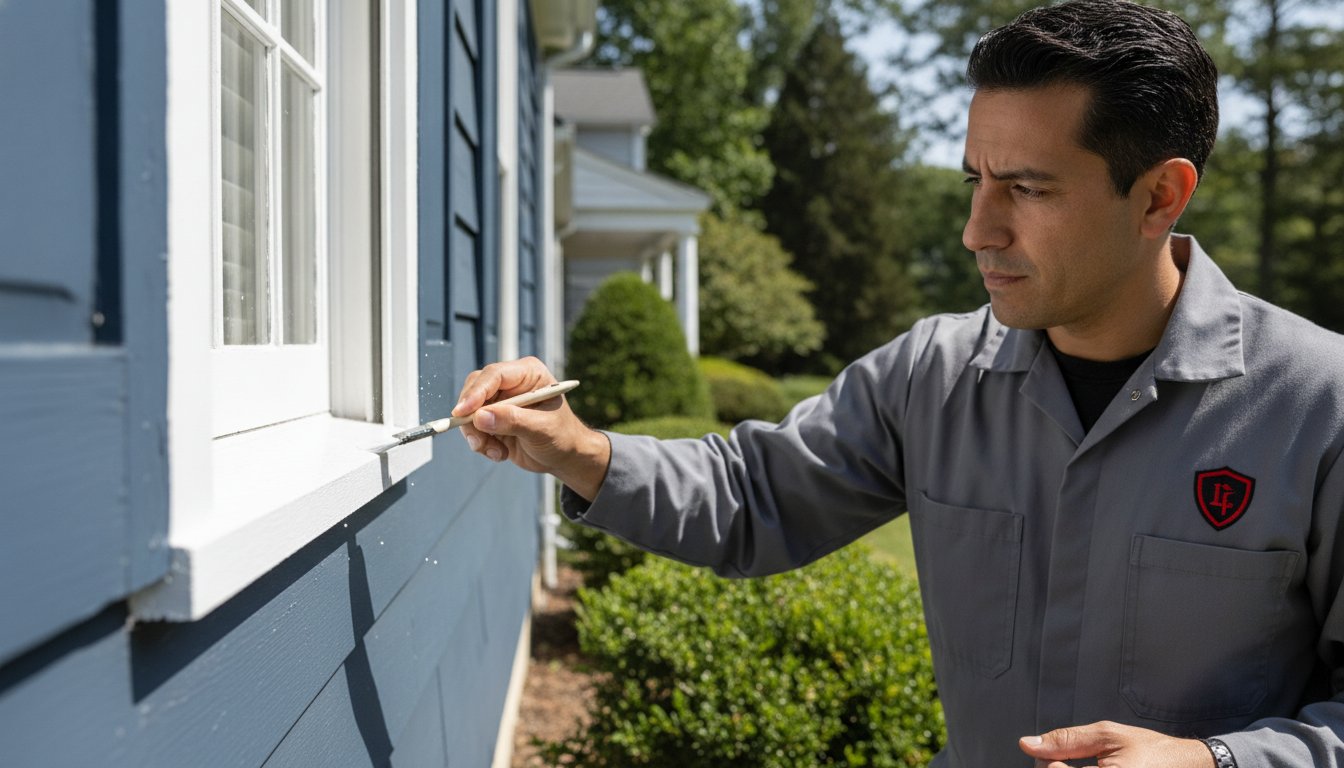
A fresh coat of paint won't save a piece of wood that's already failing from the inside out. In New Jersey, where relentless humidity and seasonal shifts punish your home's exterior, treating exterior trim painting and repair as a purely cosmetic fix is a recipe for recurring rot and wasted money. You've likely seen paint begin to peel or bubble within just two years of a previous job, leaving you to wonder if a total, costly replacement is your only remaining option.
We understand the frustration of maintaining curb appeal in our unique local climate. This guide promises to show you how to break the cycle of temporary patches by focusing on the carpentry and preparation that define a professional, long-term result. You'll learn how to identify early signs of wood rot, execute structural repairs that blend seamlessly, and apply a durable finish designed to protect your home for seven to ten years. By prioritizing the integrity of your window and door frames, you can protect your investment and potentially increase your property value by up to 5 percent. We will walk through the technical process of stabilizing your trim and selecting the right materials to ensure your home stays beautiful and weather-tight through every season.
Key Takeaways
- Understand how New Jersey's unique climate, from summer humidity to winter ice dams, forces exterior trim to act as your home's primary seal against water damage.
- Learn the "Screw-Driver Test" to quickly identify wood rot and stop structural decay before it requires a total window or door frame replacement.
- Discover why professional exterior trim painting and repair is a more cost-effective investment than full replacement, extending the life of your existing wood by a decade.
- Explore the meticulous preparation process, including safe power washing protocols that remove mildew without forcing moisture into your home's siding.
- See how integrating light carpentry into your maintenance routine ensures every repair is structurally sound and ready for a long-lasting, premium finish.
The Vital Role of Exterior Trim: Why NJ Homes Face Unique Wear
Many homeowners view their home's trim as a purely decorative accent, much like a frame around a painting. In reality, trim functions as the primary gasket for your home's envelope. It seals the critical gaps where different building materials meet, such as the transition between siding and window frames. When exterior trim painting and repair is neglected, this seal breaks down, allowing moisture to penetrate the structural layers of your house. In New Jersey, this isn't just an aesthetic concern; it's a structural necessity. High humidity during our coastal summers and the formation of ice dams during freezing winters create a relentless cycle of moisture pressure that can quickly turn a small crack into a major restoration project.
The consequences of failing trim often manifest inside the home before they are noticed outside. Water that seeps behind a compromised fascia board or window casing eventually reaches the wall studs and insulation. This often leads to bubbling interior paint, crumbling plaster, or stained drywall. While decorative moldings add character, functional components like soffits and fascia boards are your home's first line of defense. They ensure proper attic ventilation and direct rainwater away from the foundation. Maintaining these surfaces is significantly more cost-effective than repairing the interior water damage that follows a total trim failure.
The Impact of the Northeast Freeze-Thaw Cycle
Bergen County and the surrounding North Jersey areas experience rapid temperature fluctuations that are particularly brutal on wood and paint. When temperatures swing from freezing at night to forty degrees during the day, moisture trapped inside the wood fibers expands and contracts. This physical movement pops nails and opens mitered joints at the corners of your trim. Standard, low-grade paints lack the elasticity to bridge these moving gaps, leading to the spiderweb cracking often seen on older homes. We pay close attention to these stress points, especially where wood trim meets masonry or vinyl siding, as these junctions are the most likely to fail first.
Early Warning Signs of Trim Failure
Identifying trouble early is the key to avoiding the high cost of total replacement. Homeowners should regularly inspect their property for subtle changes in the trim's surface. Exterior trim painting and repair becomes urgent when you notice the following signs:
- Hairline Cracks in Caulk: These small splits are the first entry points for water. Once the caulk fails, rot begins to settle into the end-grain of the wood.
- Cupping and Warping: On south-facing elevations, the sun can bake the moisture out of wood boards, causing them to curl away from the house.
- Chalking: If you rub your hand across the trim and a powdery residue remains, the protective resins in the paint have broken down.
- Soft Spots: This is a clear indicator of moisture saturation. Understanding the causes of wood rot is essential for any homeowner, as it explains how fungi can thrive in the damp conditions common to Union and Hudson County homes.
Mastering Exterior Trim Repair: Solving Wood Rot and Damage
The foundation of any lasting finish is the structural health of the wood beneath it. Before we even open a paint can, we perform a thorough inspection of every window casing, door frame, and fascia board. One of the most effective tools in our arsenal is the "Screw-Driver Test." By pressing a flat-head screwdriver into various points of your trim, we can immediately distinguish between surface-level wear and deep-seated decay. If the tool sinks into the grain with little resistance, you have active rot. Painting over soft, punky wood is a guaranteed recipe for failure; the moisture trapped within will eventually push the new paint off, often within a single season.
Deciding whether to stabilize a board or replace it entirely requires a craftsman’s eye. Minor localized damage can often be saved through advanced restoration techniques, while boards with widespread structural failure need to be swapped for rot-resistant materials. For those interested in the technical standards of preservation, the National Park Service guide to exterior woodwork provides excellent context on how moisture management dictates the longevity of wood repairs. When we do replace sections, we prioritize materials that stand up to the damp climate of Northern New Jersey, ensuring your exterior trim painting and repair project isn't a recurring expense. If you suspect your trim is hiding structural issues, our detailed inspection services can help you determine the best path forward.
Step-by-Step Wood Rot Restoration
Our restoration process begins by surgically removing all compromised wood fibers. We dig back until we reach sound, dry timber. Once the area is clean, we apply a high-performance wood hardener. This liquid resin soaks into the remaining fibers to stop fungal growth and create a solid base. Finally, we use a two-part epoxy filler to rebuild the architectural profile. Unlike standard wood fillers, epoxy doesn't shrink or crack, allowing us to recreate seamless moldings that look original to the home.
Light Carpentry: Beyond the Paint Brush
Sometimes, the damage is too extensive for filler alone. Our team specializes in light carpentry, replacing entire fascia boards, soffits, and window sills when necessary. We ensure that every new piece includes a proper "drip edge," a small but vital detail that sheds water away from the house rather than letting it wick back into the structure. If past leaks have already reached your home's interior, we can coordinate these exterior fixes with our drywall and plaster repair services to restore your living space completely. This holistic approach provides the peace of mind that comes from knowing your home is sealed against the elements. We treat exterior trim painting and repair as a total structural solution, not just a cosmetic upgrade.
Evaluating the Cost-Efficiency: Professional Restoration vs. Replacement
Homeowners often assume that replacing every piece of weathered wood is the only way to achieve a "like-new" look. However, the labor involved in a total structural replacement is significant. When you pull a fascia board or a window casing, you risk disturbing the surrounding siding, the drip edge, and even the shingles. Exterior trim painting and repair allows you to maintain the original architectural integrity of your home while spending a fraction of the cost required for a full overhaul. By stabilizing existing wood through the technical epoxy methods we previously described, you can extend the functional life of your trim by another decade. This effectively defers a massive capital expense while keeping your home's envelope perfectly sealed.
High-quality preparation is the best insurance policy you can buy for your property. While a total replacement might seem like a "permanent" fix, even new wood will fail within a few years if it isn't primed and painted with the same level of precision. Professional restoration focuses on the 90% of the job that remains invisible: the sanding, the wood hardening, and the specialized primers. This meticulous approach ensures that the finish lasts seven to ten years, providing a much higher return on investment than a cycle of frequent, low-quality repaints or premature replacements that uncover expensive structural surprises behind the boards.
The ROI of Curb Appeal
In Union County, where property values are highly sensitive to the condition of a home’s exterior, crisp and well-maintained trim is a major selling point. Prospective buyers notice the "clean lines" around windows and doors immediately; it's a psychological cue that the entire property has been cared for with discipline. Maintenance is a smart preventative measure. Addressing small areas of rot now prevents moisture from migrating into the wall cavity, which helps you avoid the much higher exterior trim painting and repair costs associated with structural failure. Investing in your trim today is the most cost-effective way to prepare for a comprehensive exterior painting service in the future.
DIY vs. Professional: The Reality Check
The "Time Tax" is the biggest hidden cost of a DIY project. A professional team equipped with high-reach ladders, specialized sanders, and HEPA vacuums can finish in days what would take a homeowner several exhausting weekends. Working on high-reach trim is inherently dangerous and requires specific safety protocols. When you factor in the equipment costs for high-end sprayers and the potential for a finish that peels in two years, the professional route offers a safer and more predictable financial outcome. We bring the discipline and site etiquette required to complete these complex tasks without disrupting your daily life.

The Precision Painting Process: Durability Through Preparation
The secret to a finish that lasts seven to ten years isn't found in the topcoat; it's found in the dust of the preparation phase. Surface preparation represents 90% of a professional exterior trim painting and repair project, though it remains largely invisible once the final brushstroke is applied. We begin by removing the cumulative layers of failed paint and environmental debris that prevent new coatings from bonding. Our power washing protocols use a low-pressure chemical wash to kill mildew and algae spores at the root. We avoid high-pressure streams that can inject water deep into the wood grain, as trapped moisture is the leading cause of premature peeling and internal decay.
Once the wood is dry, we transition to mechanical preparation. We sand all surfaces to remove "mill glaze" on new wood and feather the edges of existing paint. This ensures a smooth, level transition between the old finish and the new repairs we executed in the previous stages. Selecting the right primer is the next critical decision. For raw wood sections, we use high-quality oil-based primers to block tannins and seal the grain. For over-coating stable, existing finishes, we utilize high-adhesion acrylic primers that offer the flexibility needed to survive New Jersey's temperature swings. If you're ready to see how our meticulous preparation can transform your home, you can request a professional quote from our expert team.
Choosing the Right Exterior Finish
Modern paint technology offers more than just color. We often recommend 100% acrylic latex finishes for their superior UV resistance and ability to expand and contract without cracking. Satin finishes are the most popular choice for 2026 because they provide a sophisticated sheen while masking minor surface imperfections better than a high-gloss alternative. For homeowners seeking the lowest possible maintenance, we offer "self-cleaning" paints. these advanced coatings use specialized resins that shed dirt and pollutants during rainstorms, keeping your trim looking freshly painted for years.
The Hudson Line Procedural Framework
Our disciplined approach is governed by a proprietary procedural framework that ensures consistency on every job site. We begin with a comprehensive masking process, using professional-grade tapes and drops to protect your siding, masonry, and landscaping from overspray or drips. We maintain a "Double-Coat" standard for high-wear areas like window sills and entry doors, providing the extra film thickness required to withstand physical contact and standing water. Every project concludes with a final inspection where we verify that every miter joint is sealed and every architectural detail is crisp. We treat exterior trim painting and repair as a technical craft, ensuring the final result is as durable as it is beautiful.
Partnering with Hudson Line Painters for Lasting Results
Choosing a contractor for exterior trim painting and repair isn't just about finding someone with a brush; it's about finding a partner who understands the architectural nuances of Hudson, Union, and Bergen Counties. We've spent years documenting how local weather patterns affect specific wood species and home styles in our area. This regional expertise allows us to anticipate problems before they arise, ensuring that our solutions aren't just temporary patches. Our commitment to integrating light carpentry into every project ensures that we address the root cause of every failure. We don't just cover up rot. We remove it and rebuild the structural integrity of your home's exterior.
We pride ourselves on a disciplined project lifecycle that prioritizes transparency and communication. From the initial consultation to the final walkthrough, you'll know exactly what to expect. We understand that your home is your sanctuary, not just a job site. Our team maintains strict site etiquette, minimizing disruption to your daily routine while we transform your property. We arrive on time, maintain a clean workspace, and treat your environment with the respect it deserves. This organized approach is a hallmark of our professional standing and a core virtue of our craft. We view our service as a partnership designed to add genuine value and comfort to your space.
A Smart Financial Choice for Your NJ Home
Investing in professional exterior trim painting and repair is a strategic move that saves you money in the long run. By stopping moisture intrusion today, you prevent the massive capital expenses associated with structural timber replacement or interior water damage. Our results are engineered to stand up to the harshest New Jersey winters, providing a durable finish that maintains its luster for seven to ten years. When you're ready to plan your next major home improvement, we invite you to request a detailed quote for your exterior painting service. We provide clear, line-item estimates so you can make an informed decision about your home's maintenance.
Ready to Revitalize Your Home?
Your home's curb appeal is a reflection of your pride in ownership. Let us help you protect that investment with the technical precision and meticulous care your property deserves. Our team of craftsmen is ready to guide you through our procedural framework, offering the peace of mind that comes from working with a trusted local neighbor. We don't just paint; we restore and protect. Contact us today to schedule your consultation and experience the difference that professional discipline makes for your home.
Protect Your Investment with Professional Restoration
Protecting your home from the elements starts with a shift in perspective. Your trim isn't merely a decorative accent; it's a functional seal that guards your home's envelope against moisture and decay. By prioritizing structural stability through our specialized light carpentry and meticulous 5-step preparation process, you can avoid the stress and high costs of premature replacement. We've served homeowners throughout Hudson, Union, and Bergen Counties since 2018, bringing a craftsman's discipline to every corner of your exterior. We take pride in ensuring that every miter joint is sealed and every surface is primed for technical longevity.
A disciplined approach to exterior trim painting and repair ensures your home remains weather-tight and beautiful through every New Jersey season. You don't have to settle for the frustration of peeling paint or the recurring threat of wood rot. Our team is ready to partner with you to deliver a premium finish that stands the test of time, enhances your property's value, and provides genuine peace of mind. Your home deserves a finish that is as durable as it is beautiful, and we have the local expertise to make it happen.
Get Your Professional Exterior Trim Estimate today and experience the difference that expert care makes for your curb appeal.
Frequently Asked Questions
How often should exterior trim be painted in New Jersey?
Exterior trim in New Jersey should typically be repainted every five to seven years to maintain its protective seal. While a premium application can last up to a decade, our local humidity and extreme temperature swings often cause standard finishes to break down sooner. Regular inspections help you catch small cracks before they turn into expensive wood rot.
Can you paint over rotting wood if you use a special primer?
You should never paint over rotting wood, regardless of the primer used. Rot is a biological process that continues to spread beneath the paint film, eventually causing the new coating to bubble and peel within months. Successful exterior trim painting and repair requires removing all soft fibers and stabilizing the wood with high-performance hardeners or epoxies first.
What is the best time of year for exterior trim painting in NJ?
The ideal window for exterior painting in New Jersey is during the late spring and early fall when temperatures stay between 50 and 80 degrees. These seasons offer the low humidity levels required for paint to cure properly without being interrupted by summer thunderstorms or winter frost. Proper curing is essential for the long-term durability of the finish.
Is it better to repair wood trim or replace it with PVC?
Repairing wood trim is often the best choice for maintaining architectural character and saving on the high labor costs of full structural replacement. While PVC is an excellent rot-proof alternative for high-moisture areas like ground-level sills, professional restoration can extend the life of your original wood by another decade. We evaluate each board to determine which approach offers the best long-term value for your property.
How long does a professional exterior trim painting project take?
A professional exterior trim painting and repair project for a standard-sized New Jersey home typically takes between three and five days to complete. This timeline includes the essential drying periods between power washing, carpentry repairs, priming, and the final topcoats. We provide a specific schedule during our initial consultation to ensure the project moves forward with steady momentum and minimal disruption.
Do you provide light carpentry for rotted window sills and fascia?
Yes, we specialize in light carpentry services to address rotted window sills, fascia boards, and soffits. We believe that a quality paint job is only as good as the surface beneath it, so we prioritize structural repairs before any finish is applied. This ensures that your window and door frames remain weather-tight and structurally sound for years to come.
What kind of paint is most durable for NJ weather?
We recommend 100% acrylic latex paint for its superior flexibility and resistance to the harsh UV rays common in the Northeast. This specific resin technology allows the paint film to expand and contract during the freeze-thaw cycles of Bergen and Union Counties without cracking. It provides a durable, breathable finish that resists both fading and mildew growth better than oil-based alternatives.
How do I know if my trim damage is structural or just cosmetic?
You can distinguish structural damage from cosmetic wear by performing a simple physical inspection with a flat-head screwdriver. If the tool sinks into the wood with minimal pressure, the damage is structural and requires immediate repair or replacement. Surface-level cracks in the paint or minor chalking are generally cosmetic issues that can be resolved through standard preparation and repainting.


